
Austria · Vienna
Vienna in
three days.
Three days planned by neighbourhood: the Hofburg and the old centre, the great museums, then Klimt at the Belvedere and an afternoon at Schönbrunn, with the historic coffee houses placed where they fit.
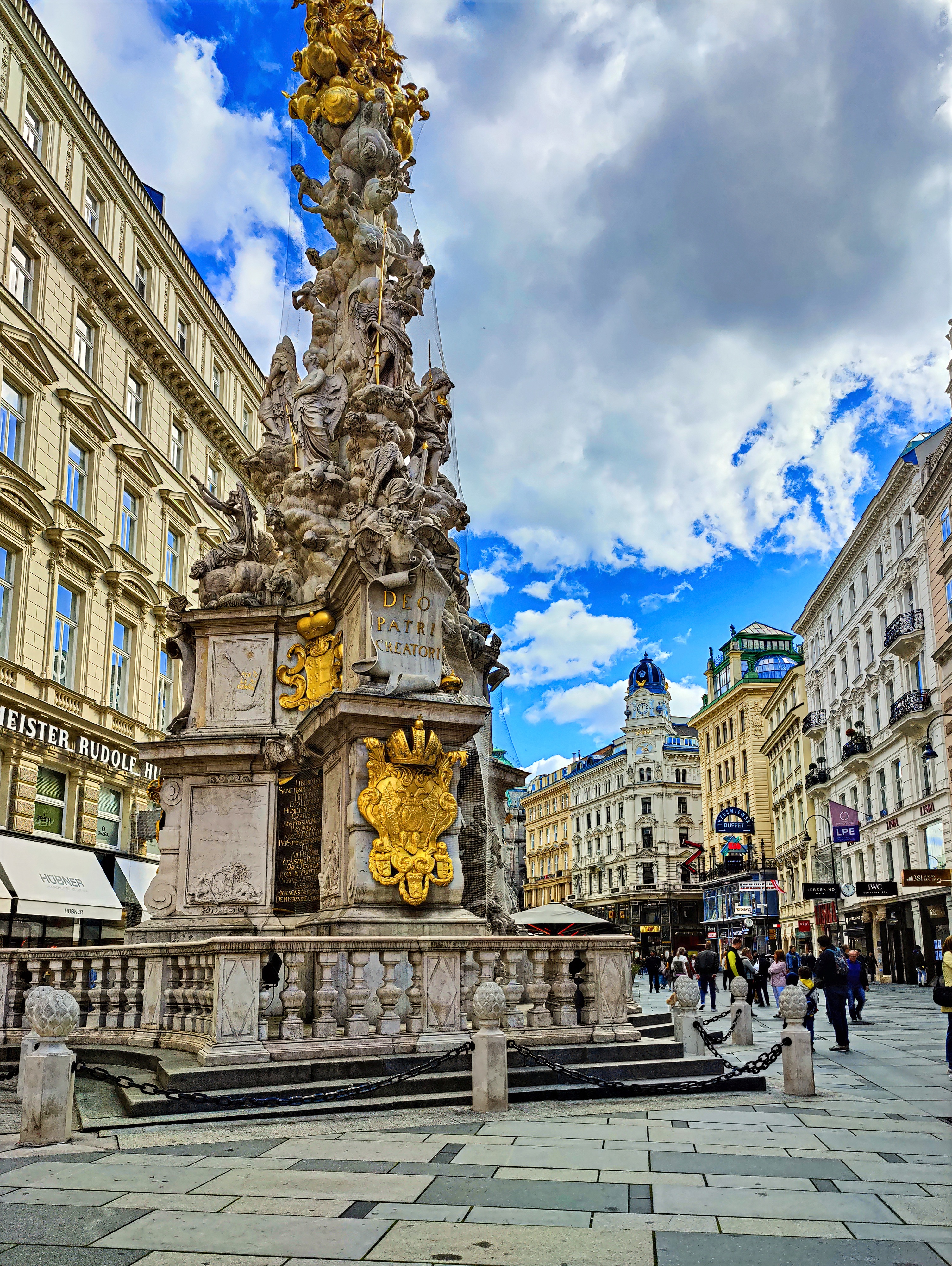
The Plague Column on the Graben, on the Day 1 walk from Stephansdom to the Hofburg.
This guide is for a first or second visit to Vienna: three full days, an interest in art, architecture and good tables, and no wish to tick off a long list. Each day stays in one part of the city.
Day 1 covers the old centre inside the Ringstrasse and the Hofburg, all on foot. Day 2 follows the museum district just outside the Ring, from the Kunsthistorisches Museum to the Naschmarkt. Day 3 starts at the Belvedere and ends at Schönbrunn, on the south-western edge of the city.
The pace allows one major visit in the morning, one in the afternoon, and a long pause somewhere in between. Book the timed tickets first and fit the rest around them.
At a glance
Three days · 1st district base
- Time needed
- Three full days. A fourth allows a second museum or a slower Schönbrunn.
- Best time
- April to June and September to October, for the gardens and walking weather. December adds the Christmas markets.
- Where to base
- The 1st district, inside the Ring, between Stephansplatz, the Graben and the Opera. All of Day 1 is walkable from there.
- Transport
- On foot in the centre; U-Bahn and trams for Days 2 and 3. A 24-hour ticket per day, or the 7-day VIENNA ticket, covers the whole plan.
- Realistic pace
- Two major visits a day, no more.
Arrival & transport
Getting there & around
From the airport
Vienna Airport is south-east of the city. Trains and the City Airport Train run to the centre, and journeys are short; airport services need a ticket beyond the core city zone. Connections can change during works, so check the current options before you fly. Airport to centre · Vienna Tourist Board
In the city
Wiener Linien runs the U-Bahn, trams and buses as one network. Single tickets cover one journey with changes; the 24-hour ticket and the flexible 7-day VIENNA ticket suit a short stay. All are sold in the WienMobil app, at station machines and in most tobacconists. They cover the Vienna core zone only: the airport needs an extra ticket. Tickets
City Card or Pass
The Vienna City Card, for 24, 48 or 72 hours or seven days, combines public transport with discounts on sights; an airport transfer can be added. The Vienna Pass includes entry to a list of attractions. Which pays off depends on how many ticketed visits you make, so price your own plan first. With either, Schönbrunn still needs a separately reserved time slot.
Day 1
Innere Stadt & Hofburg
Everything is on foot, within about a kilometre. Start early, when the cathedral opens to visitors.
- MorningStephansdom
- Late morningGraben & Kohlmarkt
- MiddayHofburg
- AfternoonBurggarten
- Late afternoonAlbertina or State Hall
- EveningStaatsoper
Stephansdom
The Gothic cathedral at the centre of the city. The front of the nave is free. The full interior, the catacombs and the two towers are ticketed, and the all-inclusive ticket covers them together. Visiting hours change around services; check them on the official site. Shoulders and knees should be covered.
Graben & Kohlmarkt
Walk west along the Graben, past the baroque Plague Column, then turn left into Kohlmarkt, which runs straight to the domed Michaelertor of the Hofburg. Demel, the former court confectioner, is at Kohlmarkt 14, for pastries to take away.
Hofburg: Imperial Apartments & Sisi Museum
The Habsburgs' winter residence is still a working complex of museums and state offices. For a first visit, the Day Ticket Sisi Museum is the clearest way in: it covers the Imperial Apartments, where Franz Joseph and Elisabeth lived and worked, and the Sisi Museum, built around the Empress's personal belongings. Entry is at a fixed time, so book online. Check current opening hours and any temporary closures on the official site.
Burggarten & Palmenhaus
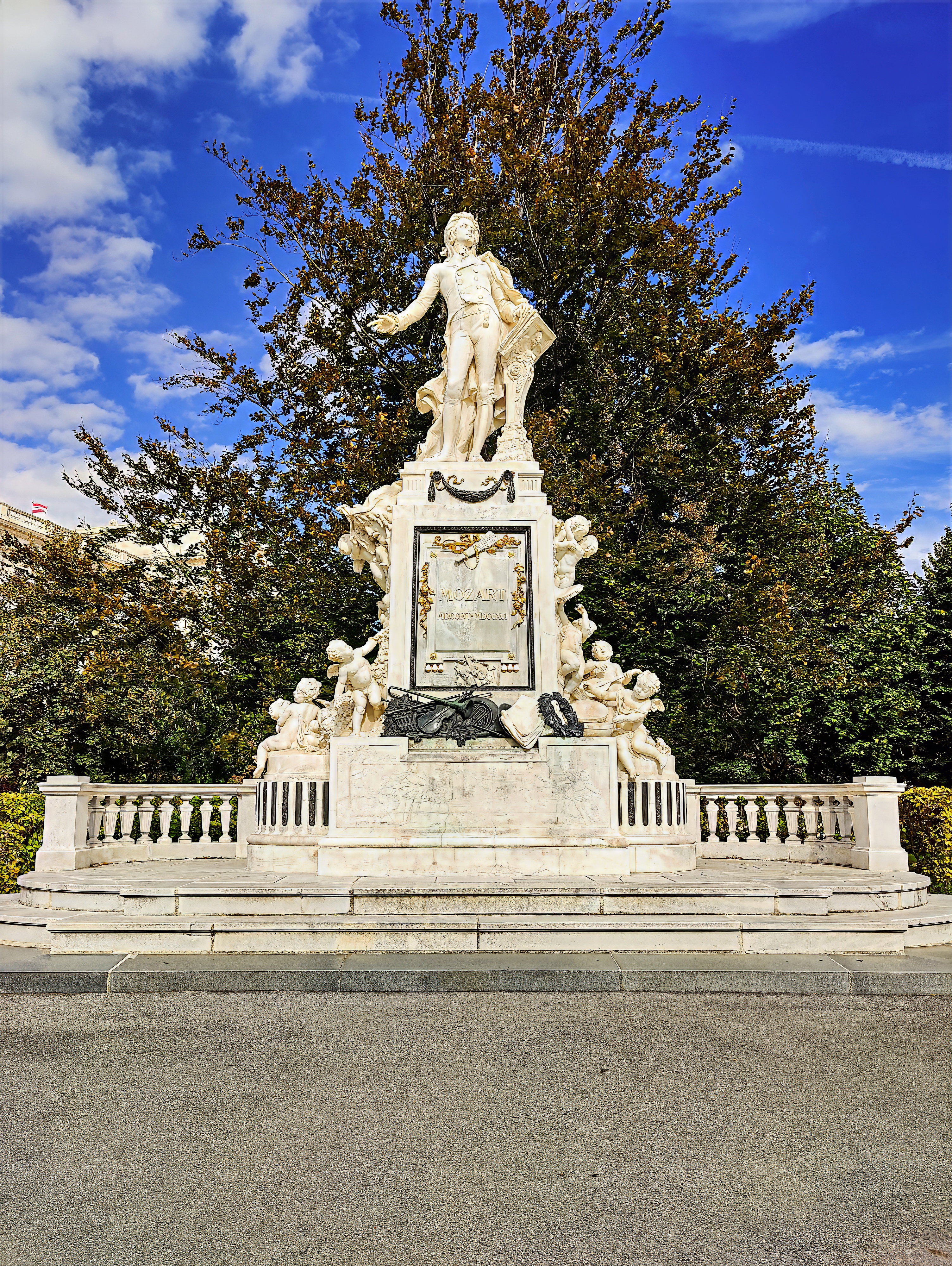
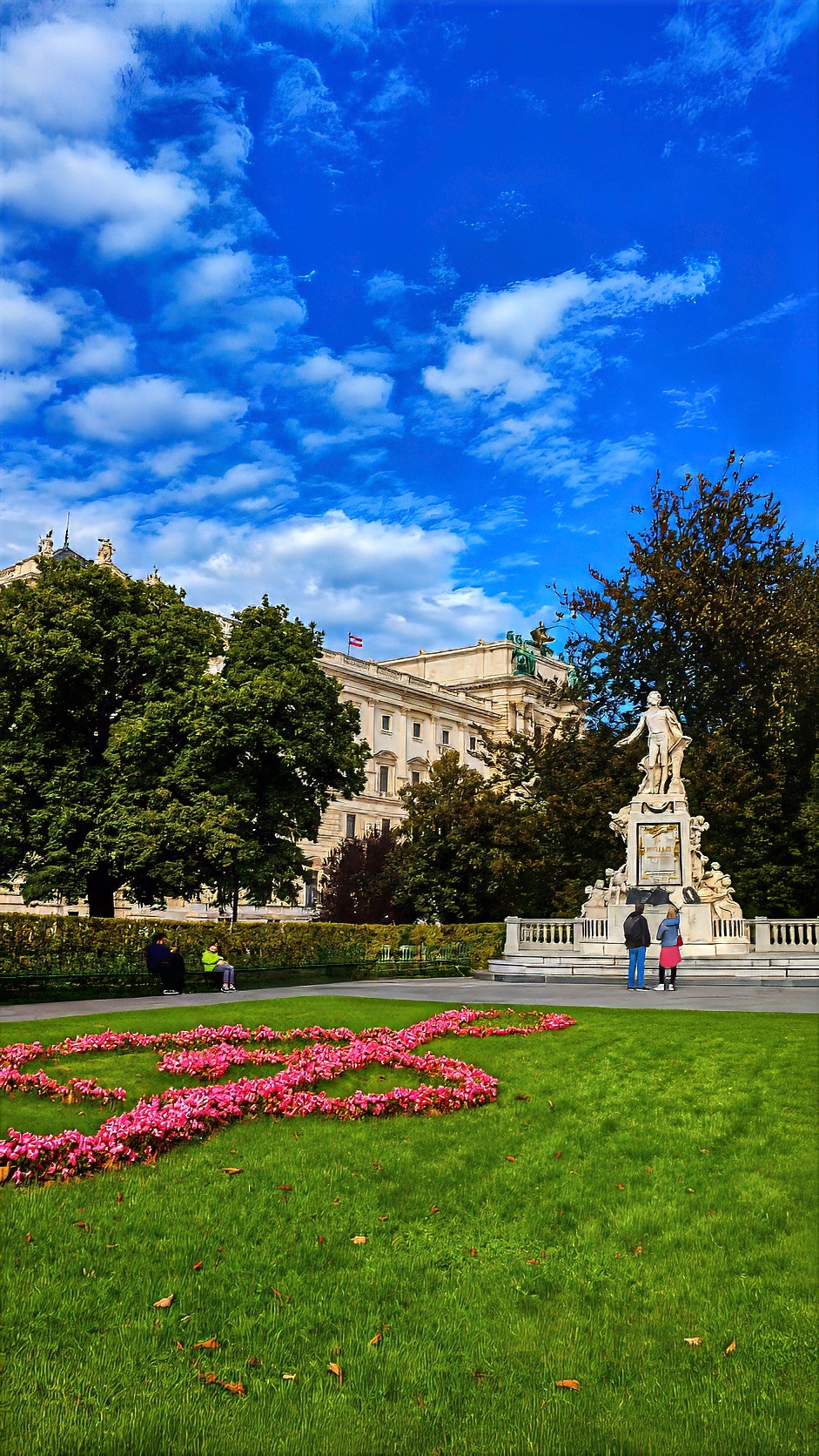
Behind the Neue Burg, the former court garden is now a quiet public park. The marble Mozart monument stands at the Ring end.
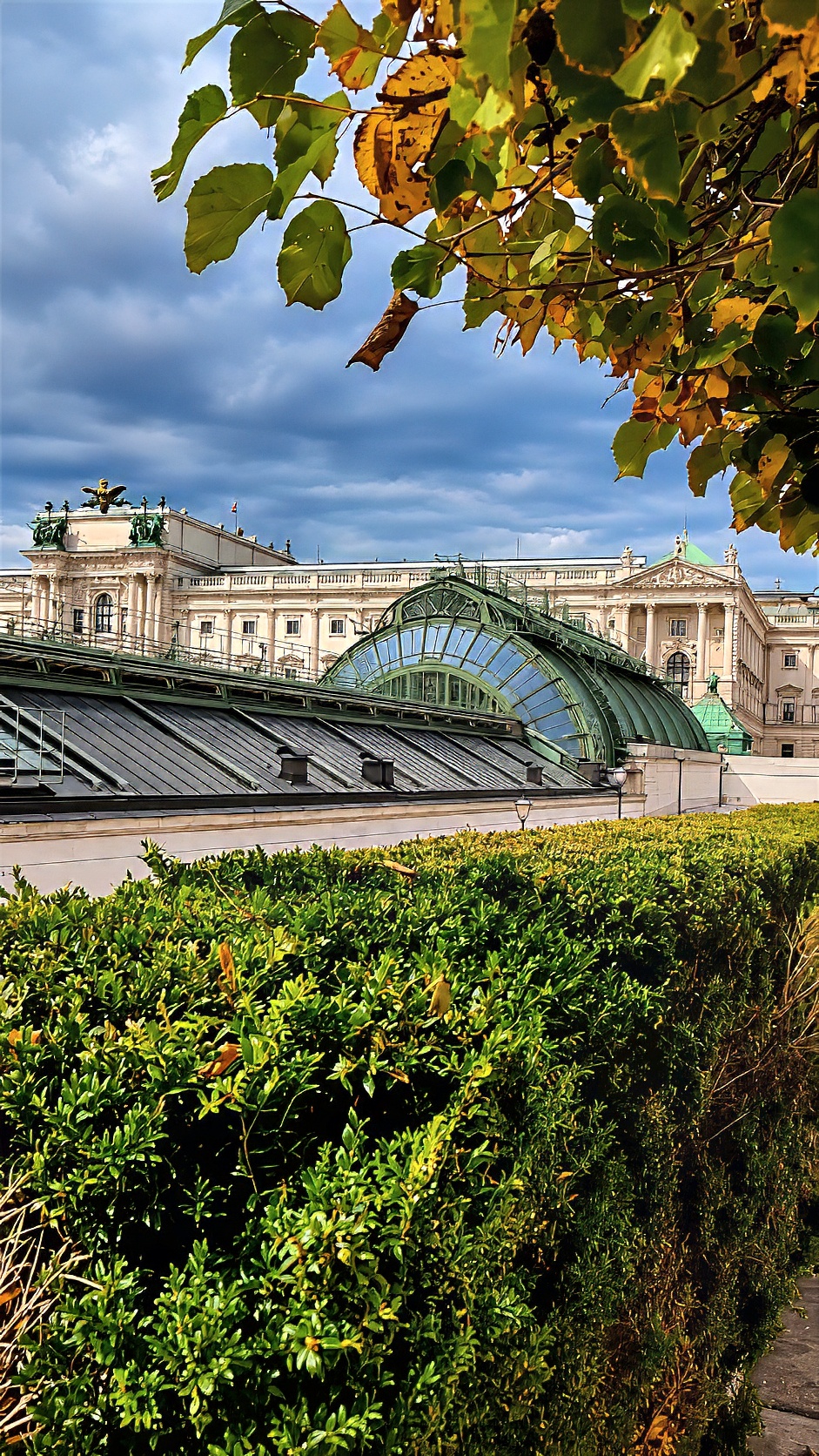
The garden is closed on its far side by the Palmenhaus, Friedrich Ohmann's Jugendstil glasshouse from the early 1900s. One wing holds a butterfly house, the other the Brasserie Palmenhaus, for a late lunch under the glass.
Albertina or the State Hall
Both are a few minutes from the Burggarten, and one is enough. The Albertina combines restored Habsburg state rooms with a major collection of drawings and prints and large temporary exhibitions.
The Prunksaal of the Austrian National Library, on Josefsplatz, is a single baroque hall of frescoes and around 200,000 historic volumes. It takes less time.
A night at the Staatsoper
The house performs most evenings between September and June. Seats go on sale a few months ahead; standing places are sold on the day of the performance. Check the current rules on the official ticket page.
For dinner, Plachutta Wollzeile and Zum Schwarzen Kameel (see Where to eat) are both close to the day's route.
Day 2
Museums, Secession & Naschmarkt
The museum district is just outside the Ring, ten minutes on foot from the Hofburg. Two large museums back to back are too much for most people. Make the Kunsthistorisches Museum the main visit and treat the Leopold as an alternative, not an addition. Avoid Sunday, when the Naschmarkt stalls are closed, and check Monday opening at the museums.
- MorningKunsthistorisches Museum
- AlternativeLeopold Museum
- AfternoonCafé Sperl & Secession
- Late afternoonNaschmarkt
Kunsthistorisches Museum
The Habsburg collections in a building designed to match them: the largest group of paintings by Pieter Bruegel the Elder anywhere, Vermeer's Art of Painting, Titian, Raphael, Velázquez's portraits of the young Spanish royals, and the Kunstkammer of objects gathered by emperors. Book a timed slot on the official website, and check the calendar for opening days and late evenings. The café under the central dome is worth the pause.
Leopold Museum, MuseumsQuartier
If Vienna around 1900 interests you more than the Old Masters, go here instead. The Leopold holds the world's largest collection of Egon Schiele, alongside Klimt, Kokoschka and the Wiener Werkstätte. It stands in the MuseumsQuartier, across the road from the KHM. Check current opening days on the official site.
Café Sperl, then the Secession
Walk down Gumpendorfer Strasse to Café Sperl (see Coffee houses), then on to the Secession: the white exhibition pavilion with the gilded laurel dome, completed in 1898 for the artists of the Vienna Secession. Klimt's Beethoven Frieze is on the lower floor. Check opening days before you go.
Naschmarkt
The market begins just behind the Secession and runs for about a kilometre and a half along the Wienzeile: produce, spices, cheese and wine, with small restaurants between the stalls. Across the road on Linke Wienzeile stand Otto Wagner's two apartment houses of 1899, one faced in majolica tiles, the other decorated with gilded medallions. The market stalls close on Sundays; some of the restaurants keep their own hours. On Saturdays a flea market sets up at the far end.
Day 3
Belvedere & Schönbrunn
Two palaces on opposite sides of the centre, joined by the U-Bahn. The time slots set the day: the Belvedere at opening, Schönbrunn in the early afternoon.
Upper Belvedere
Prince Eugene's baroque summer palace now holds the Belvedere's collection of Austrian art, including the largest group of Klimt paintings in the world and The Kiss. Entry is by timed slot; the first of the day gives the quietest rooms. The formal garden down to the Lower Belvedere is free and takes about 15 minutes on foot.
Getting across
Walk ten minutes to Südtiroler Platz–Hauptbahnhof, take the U1 to Karlsplatz and change to the U4 for Schönbrunn. Eat before you arrive; the visit runs into the late afternoon.
Schönbrunn
The Habsburg summer residence has three parts; decide in advance how much of each you want.
The palace. The Palace Ticket covers the Grand Tour of the principal floor, from the apartments of Franz Joseph and Elisabeth to the 18th-century rooms of Maria Theresa, with a free audio guide. The admission time is binding: arrive late and the ticket expires. Genuine tickets are sold online only through imperialtickets.com.
The gardens. The main park is free. Follow the central axis behind the palace, past the Neptune Fountain.
The Gloriette. The colonnade on the hill is a 15–20 minute uphill walk. The Café Gloriette inside is the natural pause; the viewing terrace on the roof is ticketed. In the summer season, the Classic Pass combines the Palace Ticket with the Gloriette terrace, the Privy Garden, the Orangery Garden and the Maze; allow 3–4 hours.
The U4 runs directly back to Stadtpark, for dinner at Steirereck.
Historic coffee houses
Three houses, one for each day
The coffee house is one of Vienna's oldest traditions: coffee arrives with a glass of water, and nobody hurries you.
Herrengasse · pair with Day 1
Café Central
Vaulted ceilings and marble columns in the Palais Ferstel, two minutes from the Hofburg. It is the most famous of the three, and queues at the door are common. Check the official site before you go.
Universitätsring · end of Day 1
Café Landtmann
On the Ring beside the Burgtheater, and the most formal of the three, with a large terrace in the warmer months. From the Hofburg it is a short walk through the Volksgarten.
Gumpendorfer Strasse · pair with Day 2
Café Sperl
A classic coffee house between the MuseumsQuartier and the Naschmarkt, with billiard tables, bentwood chairs and little changed. Check current opening hours before planning around it.
For pastry rather than coffee: Demel on Kohlmarkt, on the Day 1 walk, and the Original Sacher-Torte at the Hotel Sacher, beside the Opera.
Plan ahead
Book ahead
Most of the main visits run on timed slots. Book in this order, then fit the rest of each day around them.
- Opera seats and dinner at Steirereck, as soon as your dates are fixed.
- Schönbrunn: a timed Palace Ticket, sold online through the official ticket site.
- Upper Belvedere: a timed slot, ideally the first of the day.
- Kunsthistorisches Museum: a timed slot on the official website.
- Hofburg: a timed entry for the Imperial Apartments and Sisi Museum.
Where to eat
Three tables
Price symbols give a relative indication, not exact prices.
Where to stay
Hotels to consider
Three luxury addresses in the 1st district, each within walking distance of the whole of Day 1.
Rosewood Vienna
Petersplatz · between the Graben and Stephansdom
A contemporary luxury hotel on Petersplatz, in the historic centre between the Graben and Stephansdom. The most contemporary of the three, at the very heart of Day 1.
Hotel Imperial Vienna
Kärntner Ring · near the Musikverein
A historic grand hotel on the Ringstrasse, set in a palace with an imperial character, a short walk from the Staatsoper and the Musikverein.
Hotel Sacher Vienna
Philharmonikerstrasse · opposite the Opera
A hotel since 1876, facing the Staatsoper, and home of the Original Sacher-Torte.
Practical
Before you go
Closing days
Several museums close one day a week, and the Naschmarkt stalls close on Sundays. Holiday hours differ; check each official site before fixing the order of the days.
Seasons
July and August are hot and busy, and the Staatsoper is on its summer break. Winter is cold and dark early, which suits a trip built on interiors.
In December
From mid-November, Christmas markets open on squares across the city, including Rathausplatz, Spittelberg and in front of Schönbrunn and the Belvedere. Book hotels and restaurants earlier than usual. Christmas markets
Money & tipping
Euro. Cards are widely accepted; a little cash is useful for small purchases. Rounding up or adding around 5–10% in cafés and restaurants is customary, stated to the server as you pay.
Book the fixed points, leave room around them, and give the coffee houses the time they ask for.
Feels like home.
Nearby, and next
In this guide — Vienna